
Palavras-chave
Corrida de rua
Fatores de risco
Como Citar
Copyright © | Todos os direitos reservados.
A revista detém os direitos autorais exclusivos de publicação deste artigo nos termos da lei 9610/98.
Reprodução parcial
É livre o uso de partes do texto, figuras e questionário do artigo, sendo obrigatória a citação dos autores e revista.
Reprodução total
É expressamente proibida, devendo ser autorizada pela revista.
Resumo
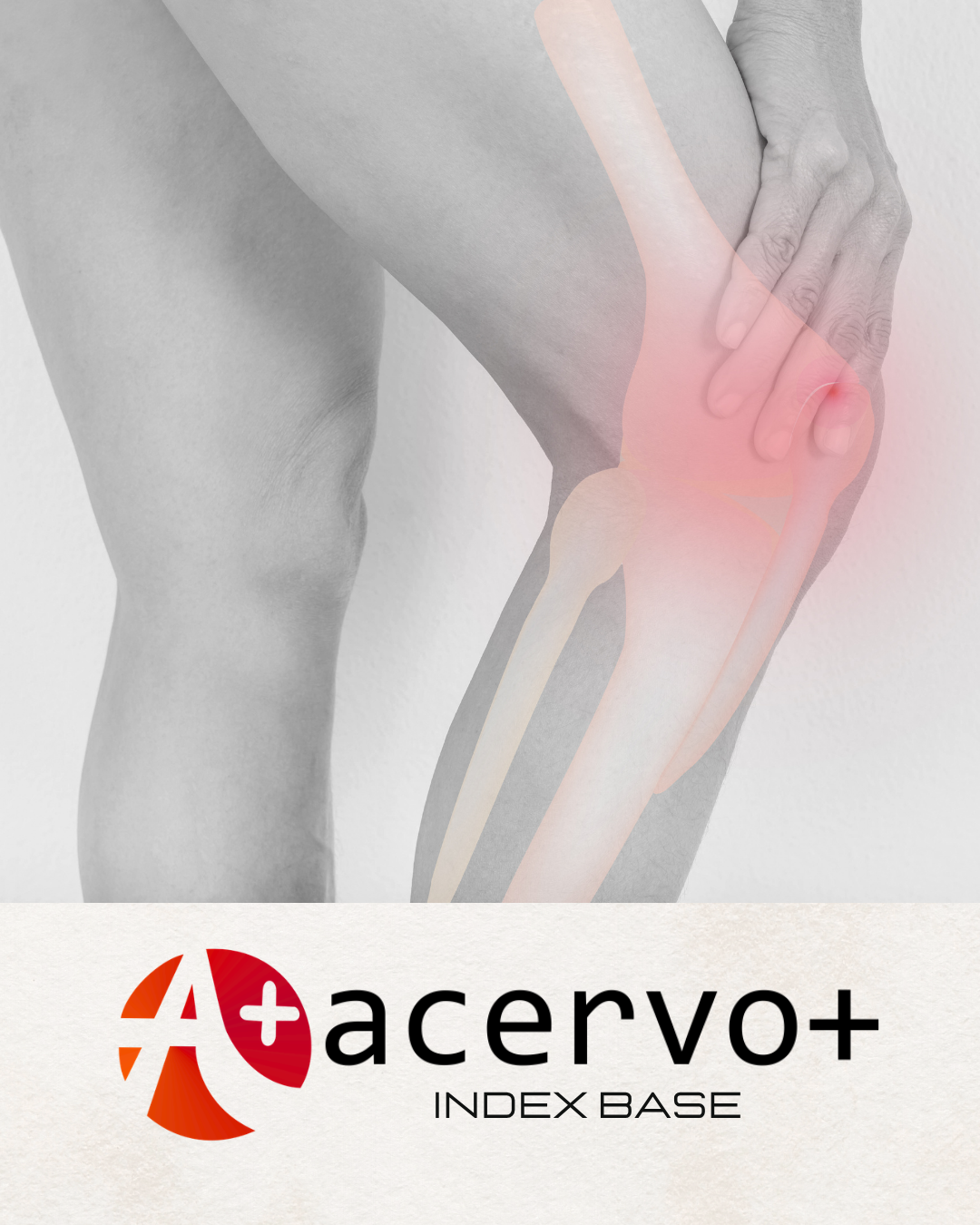
Objetivo: Analisar a prevalência de lesões osteomusculares em corredores amadores de Imperatriz-MA, identificando fatores de risco associados e propondo estratégias preventivas baseadas em evidências. Métodos: Estudo observacional retrospectivo com 263 corredores amadores vinculados a grupos locais de corrida em Imperatriz-MA. A coleta de dados foi realizada por questionário eletrônico, abordando variáveis sociodemográficas, características da prática esportiva, histórico de lesões, fatores nutricionais e comportamentos preventivos. Resultados: Observou-se maior prevalência de lesões nas regiões do joelho, perna/canela e tornozelo, com destaque para fraturas por estresse e tendinite de Aquiles. Fatores como menor tempo de prática, ausência de orientação profissional, treinamento em superfícies rígidas e baixa adoção de medidas preventivas estiveram associados a maior ocorrência de lesões. A pior qualidade do sono também apresentou associação com maior incidência de lesões, indicando aumento do risco em corredores com sono inadequado. Conclusão: Os achados evidenciam a necessidade de estratégias educativas e intervenções preventivas voltadas aos corredores amadores.
Referências
BESOMI M, et al. Exploring contextual factors for management and prevention of running-related injuries: runners and experts' perspectives. BMJ Open Sport Exerc Med, 2025; 11(2): e002413.
CHAREST J e GRANDNER MA. Sleep and athletic performance: impacts on physical performance, mental performance, injury risk and recovery, and mental health. Sleep Med Clin, 2020; 15(1): 41-57.
CORREIA CK, et al. Risk factors for running-related injuries: an umbrella systematic review. J Sport Health Sci, 2024; 13(6): 793-804.
DE JONGE J e TARIS TW. Sleep matters: profiling sleep patterns to predict sports injuries in recreational runners. Appl Sci, 2025; 15: 10814.
FRANDSEN JS, et al. How much running is too much? Identifying high-risk running sessions in a cohort study. Br J Sports Med, 2025; 59(17): 1203-1210.
FERREIRA AC, et al. Prevalência e fatores associados a lesões em corredores amadores de rua do município de Belo Horizonte, MG. Revista Brasileira de Medicina do Esporte, 2012; 18(4): 252-255.
GIJON-NOGUERON G e FERNANDEZ-VILLAREJO M. Risk factors and protective factors for lower-extremity running injuries: a systematic review. J Am Podiatr Med Assoc, 2015; 105(6): 532-540.
GOLDBERG M, et al. Poor Sleep Quality Is Associated With an Increased Risk of Running-Related Injuries: A Prospective Study of 339 Runners Over Six Months. Scand J Med Sci Sports, 2025; 35(11): e70164.
HRELJAC A. Impact and overuse injuries in runners. Med Sci Sports Exerc, 2004; 36(5): 845-849.
HULME A, et al. Risk and protective factors for middle- and long-distance running-related injury. Sports Med, 2017; 47(5): 869-886.
IMPELLIZZERI FM, et al. Training load and its role in injury prevention, part I: back to the future. J Athl Train, 2020; 55(9): 885-892.
KAKOURIS N, et al. A systematic review of running-related musculoskeletal injuries in runners. J Sport Health Sci, 2021; 10(5): 513-522.
KONG Y, et al. Effects of sleep deprivation on sports performance and perceived exertion in athletes and non-athletes: a systematic review and meta-analysis. Front Physiol, 2025; 16: 1544286.
LEE DC, et al. Leisure-time running reduces all-cause and cardiovascular mortality risk. Journal of the American College of Cardiology, 2014; 64(5): 472-481.
LINTON L e VALENTIN S. Running with injury: a study of UK novice and recreational runners and factors associated with running-related injury. J Sci Med Sport, 2018; 21(12): 1221-1225.
MANN RH, et al. Co-creation of injury prevention measures for competitive adolescent distance runners. Ann Med, 2024; 56(1): 2334907.
MALISOUX L, et al. Association of shoe cushioning perception and comfort with injury risk in leisure-time runners. Eur J Sport Sci, 2025; 25(11): e70063.
NAPIER C e WILLY RW. The prevention and treatment of running injuries: a state of the art. Int J Sports Phys Ther, 2021; 16(4): 968-970.
RAGHUNANDAN A, et al. The epidemiology, risk factors, and nonsurgical treatment of injuries related to endurance running. Curr Sports Med Rep, 2021; 20(6): 306-311.
RAMSKOV D, et al. Progression in running intensity or running volume and the development of specific injuries in recreational runners. J Orthop Sports Phys Ther, 2018; 48(10): 740-748.
STENERSON LR, et al. Running-related overuse injuries and their relationship with training characteristics in adult recreational runners. J Funct Morphol Kinesiol, 2023; 8(3): 128.
TADDEI UT, et al. Effects of a foot strengthening program on foot muscle morphology and running mechanics. Phys Ther Sport, 2020; 42: 107-115.
TAUNTON JE, et al. A retrospective case-control analysis of running injuries. Br J Sports Med, 2002; 36(2): 95-101.
VAN GENT RN, et al. Incidence and determinants of lower extremity running injuries in long distance runners: a systematic review. Br J Sports Med, 2007; 41(8): 469-480.
VAN DER WORP MP, et al. Injuries in runners: a systematic review on risk factors and sex differences. PLoS One, 2015; 10(2): e0114937.
VIDEBEK S, et al. Incidence of running-related injuries per 1000 h of running: a systematic review and meta-analysis. Sports Med, 2015; 45(7): 1017-1026.
XU X, et al. Exploring training-sleep characteristics and bidirectional relationships in recreational runners. Front Physiol, 2026; 17: 1730135.
WEERASINGHE K, et al. Efficacy of exercise interventions in injury prevention for track and field athletes. BMC Sports Sci Med Rehabil, 2025; 18(1): 49.
YANG DF, et al. Sleep deprivation reduces the recovery of muscle injury induced by high-intensity exercise in a mouse model. Life Sci, 2019; 235: 116835.