
Keywords
Endodontics
Digital dentistry
Cone-beam computed tomography
Three-dimensional printing
How to Cite
Copyright © | All rights reserved.
The journal holds the exclusive copyright for the publication of this article under the terms of Brazilian law 9610/98.
Partial reproduction
The use of parts of the texts, figures and questionnaire of the article is free, being mandatory the citation of the authors and journal.
Total reproduction
It is expressly prohibited and must be authorized by the journal.
Abstract
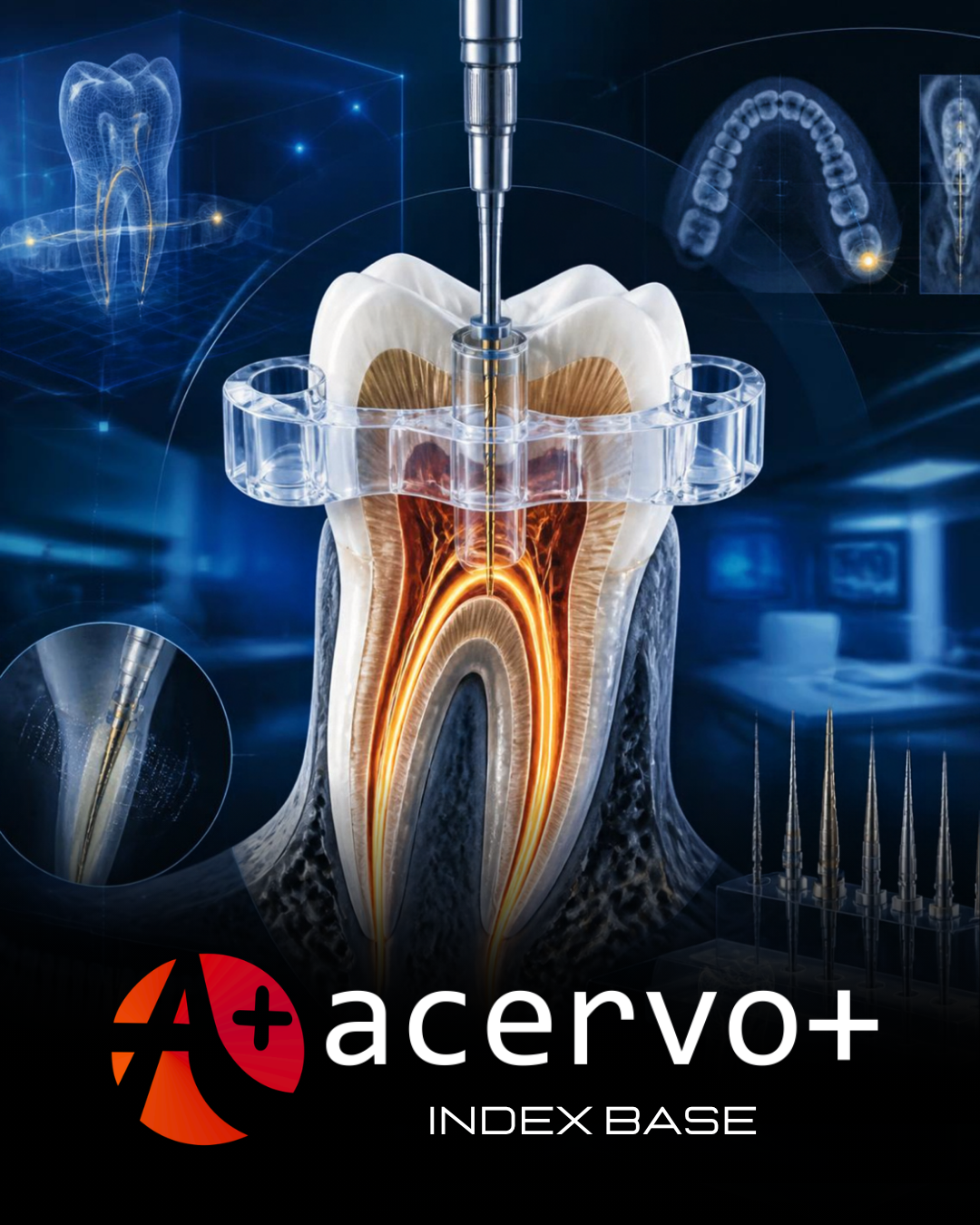
Objective: To review the scientific evidence on the technological foundations, clinical applications, advantages, and limitations of guided endodontics in contemporary practice. Literature review: Guided endodontics integrates cone-beam computed tomography, intraoral scanning, virtual planning, and guidance systems to increase the predictability of endodontic access. Its main indication remains the localization of calcified root canals, although applications in the removal of intracanal posts, retreatment, and endodontic surgery have also been described. Laboratory studies indicate greater accuracy and preservation of dental structure compared with conventional approaches. However, clinical evidence remains limited, and greater technical accuracy does not always translate into superior long-term outcomes. High costs, the need for training, anatomical limitations, and dependence on digital infrastructure also restrict its applicability. Final considerations: Guided endodontics has the potential to improve safety and predictability in complex cases; however, its routine incorporation depends on more robust clinical evidence, greater technological accessibility, and standardized protocols.